Ocean to Table: Atlantic Canada's Seafood Heritage
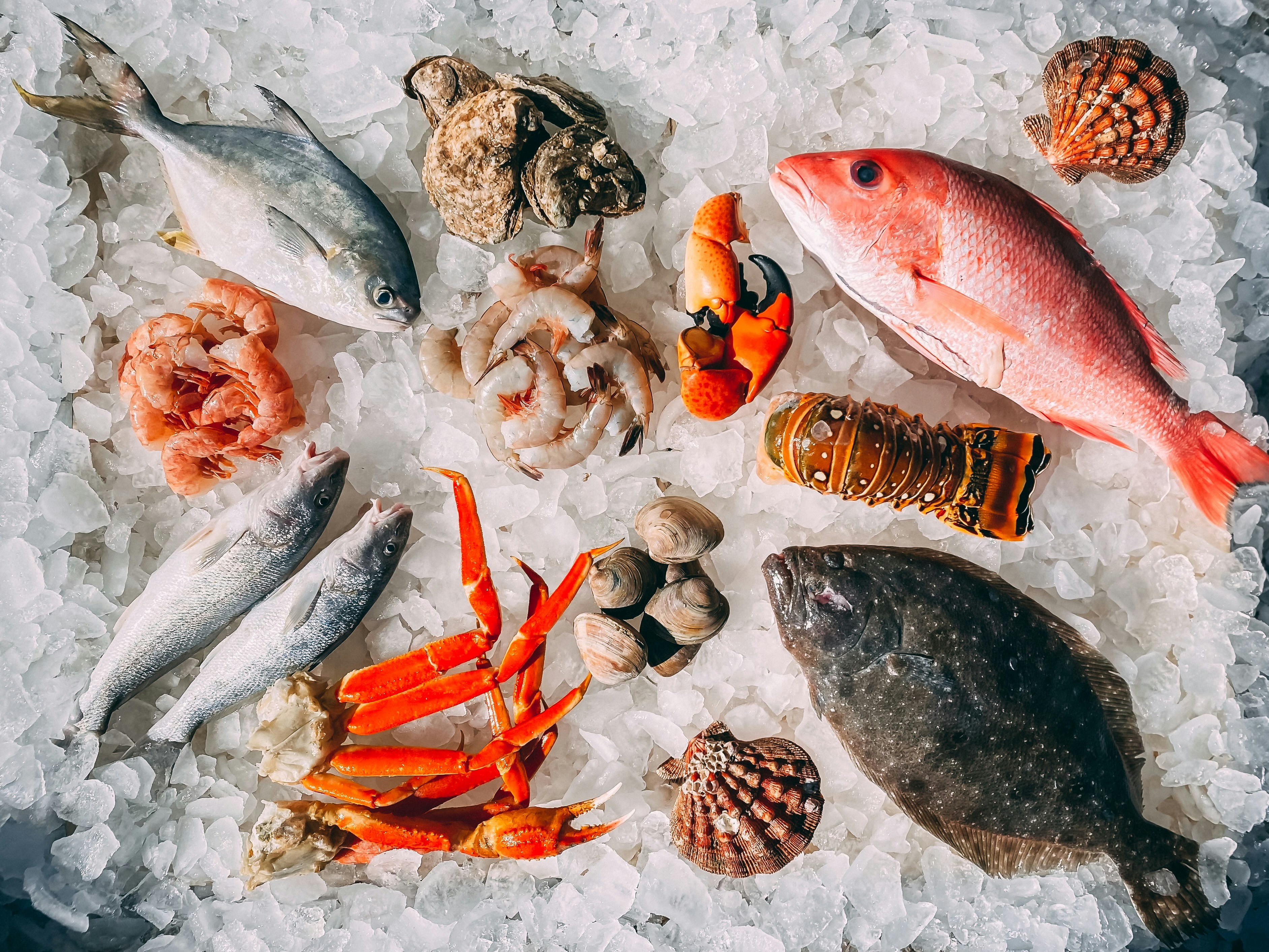
Atlantic Canada encompasses Newfoundland and Labrador, Prince Edward Island, Nova Scotia, and New Brunswick—four provinces united by their maritime heritage and deep connection to the sea. This region produces some of the world's finest seafood, with fishing practices refined over centuries creating sustainable harvesting methods that preserve both traditions and marine ecosystems.
The cold, nutrient-rich waters of the North Atlantic create ideal conditions for lobster, cod, scallops, mussels, and dozens of other species. Atlantic Canada's fishing communities have developed specialized knowledge passed through generations, understanding seasonal patterns, sustainable catch limits, and preparation methods that honor the natural flavors of ocean bounty.
Iconic Atlantic Seafood
Atlantic Lobster
Atlantic lobster represents the pinnacle of Maritime seafood. Nova Scotia and New Brunswick fisheries harvest over 100,000 metric tons annually, employing traditional trap methods that ensure sustainability. The lobster industry supports over 10,000 families across Atlantic provinces, with peak season running May through July when cold-water lobsters offer the sweetest, most tender meat.
Traditional Preparation: Boiled whole in seawater, served with drawn butter, or featured in lobster rolls using Maritime-style split-top buns.
Atlantic Cod
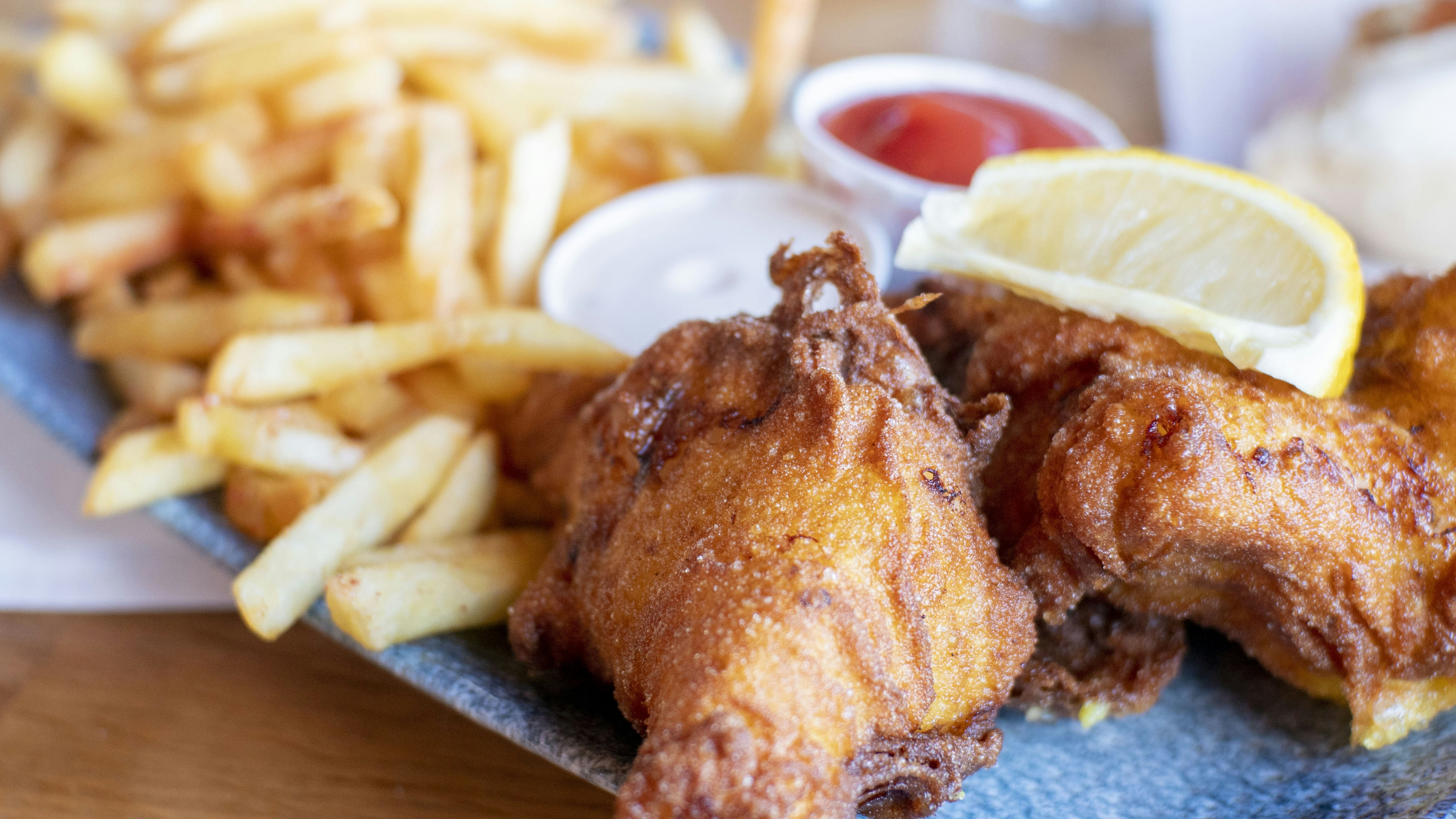
Once the foundation of Atlantic Canada's economy, cod fishing shaped regional culture for 500 years. While modern fisheries operate under strict sustainability measures, cod remains central to Maritime cuisine. Traditional preparation methods include salt cod (creating Portuguese-influenced bacalhau), fish and chips using beer batter developed in Newfoundland pubs, and cod tongue—a local delicacy served pan-fried with pork scrunchions.
Historical Significance: Cod fishing brought European settlers to these shores and created trade networks connecting Atlantic Canada to the Caribbean and Mediterranean.
Regional Specialties and Preparations
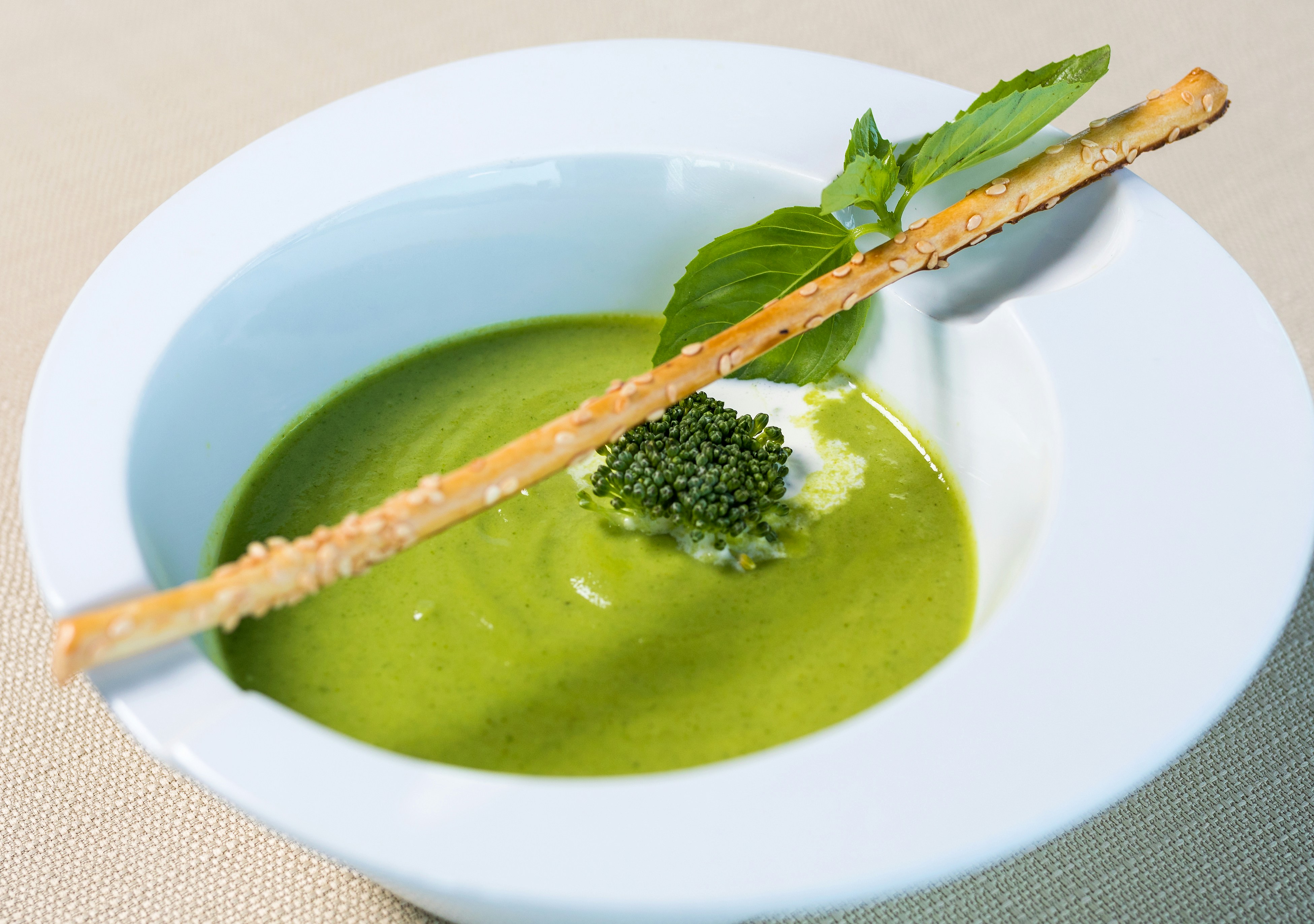
Maritime Chowder: Atlantic Canada has developed 13 distinct regional chowder variations, each reflecting local ingredients and cultural influences. Newfoundland fish chowder incorporates salt cod, potatoes, onions, and pork fat back. Nova Scotia chowder features fresh haddock with cream, while PEI mussel chowder celebrates Prince Edward Island's world-class mussel farms that produce over 20 million pounds annually.
Digby Scallops: The Bay of Fundy, home to the world's highest tides, produces exceptional scallops renowned globally for their size and sweetness. Digby, Nova Scotia serves as Canada's scallop capital, where fleets harvest using traditional dragging methods during strictly controlled seasons. These scallops reach sizes exceeding three inches in diameter, with firm texture and sweet flavor unmatched elsewhere.
PEI Oysters: Prince Edward Island's pristine estuaries produce world-famous oysters with distinct flavor profiles varying by location. Malpeque oysters, protected by geographical designation, offer creamy texture with cucumber notes. Island oyster farmers pioneered sustainable aquaculture practices now used worldwide, raising oysters in floating cages that filter 50 gallons of water daily per oyster.
Newfoundland Seal Flipper Pie: A traditional dish with roots in indigenous and settler cultures, seal meat remains part of Newfoundland and Labrador's culinary identity. Prepared during spring harvests, flipper pie combines seal meat with root vegetables and pastry, representing sustainable use of local resources and cultural continuity dating back millennia.
15 Atlantic Canada Seafood Facts
- Nova Scotia exports over $1.5 billion CAD in seafood annually to 80+ countries
- Atlantic lobster populations have increased 200% since implementing sustainability measures in 1995
- The Bay of Fundy's 50-foot tides create unique marine ecosystems supporting 12 whale species
- Prince Edward Island produces 80% of Canada's mussels using suspended aquaculture
- Newfoundland's Grand Banks once held the world's richest cod fishing grounds
- Maritime fish chowder recipes date back to 17th-century Acadian settlements
- Digby scallops can live up to 20 years and grow to 8 inches in diameter
- Atlantic Canada has over 300 licensed lobster processing facilities
- PEI oyster farming began in 1900s, now supporting 85% of Canadian oyster production
- Traditional cod preservation using salt allowed year-round protein before refrigeration
- Nova Scotia has 13 seafood festivals celebrating regional specialties annually
- Atlantic mackerel migrations bring millions of fish to Maritime waters each summer
- Sea urchin roe from New Brunswick exports to Japanese sushi markets as premium uni
- Dulse seaweed harvesting in the Bay of Fundy continues traditional practices from 1600s
- Maritime fish cakes combine cod with potato, using recipes unchanged for 200 years
Contemporary Atlantic Cuisine
Modern Atlantic Canadian chefs honor traditional preparations while incorporating global techniques and local ingredients. Halifax and St. John's feature innovative restaurants showcasing regional seafood through contemporary presentations. Chefs source directly from day-boat fishers, creating menu changes based on daily catches that reflect seasonal availability and ocean conditions.
The farm-to-table movement has expanded to "dock-to-dish" philosophy throughout Atlantic Canada. Restaurants display fisher names on menus, connecting diners with harvest sources. This transparency builds appreciation for sustainable practices and the skilled labor behind each plate of seafood.
Atlantic Canada's culinary schools, particularly the Culinary Institute of Canada on PEI, train new generations in traditional seafood preparation alongside modern techniques. Students learn heritage skills like hand-filleting cod, shucking oysters, and preparing chowder from scratch, ensuring these practices continue.
Cultural Significance and Community
Seafood defines Atlantic Canadian identity beyond mere sustenance. Lobster suppers bring communities together in church basements and community halls, with volunteers steaming hundreds of lobsters for summer visitors. These events preserve social traditions while supporting local causes, creating intergenerational connections around shared meals.
Fishing families pass knowledge through apprenticeship, with children learning navigation, species identification, and sustainable practices from parents and grandparents. This oral tradition preserves technical skills and ethical frameworks that written regulations cannot fully capture. Respect for the ocean, understanding of weather patterns, and commitment to future generations guide fishing communities' decisions.
Indigenous Mi'kmaq, Maliseet, and Innu peoples have harvested Atlantic seafood for over 10,000 years, developing sophisticated preservation methods and sustainable practices long before European contact. Today, these First Nations maintain treaty rights to fish traditional waters, contributing both economic activity and cultural continuity to Maritime communities.
Sustainability and Future
Atlantic Canada leads global seafood sustainability efforts. Following cod fishery collapses in the 1990s, provinces implemented science-based management creating remarkable recoveries. Lobster populations now exceed historical levels through regulated seasons, size limits, and protected breeding zones. These successes demonstrate how traditional ecological knowledge combined with modern science creates sustainable seafood systems.
Climate change impacts Atlantic waters through temperature increases and species migrations. Warmer waters bring southern species northward while affecting traditional species' ranges. Fishing communities adapt by diversifying catches and adopting new preparation methods for emerging species. This flexibility, rooted in centuries of adaptation, positions Atlantic Canada to navigate environmental challenges while preserving culinary traditions.
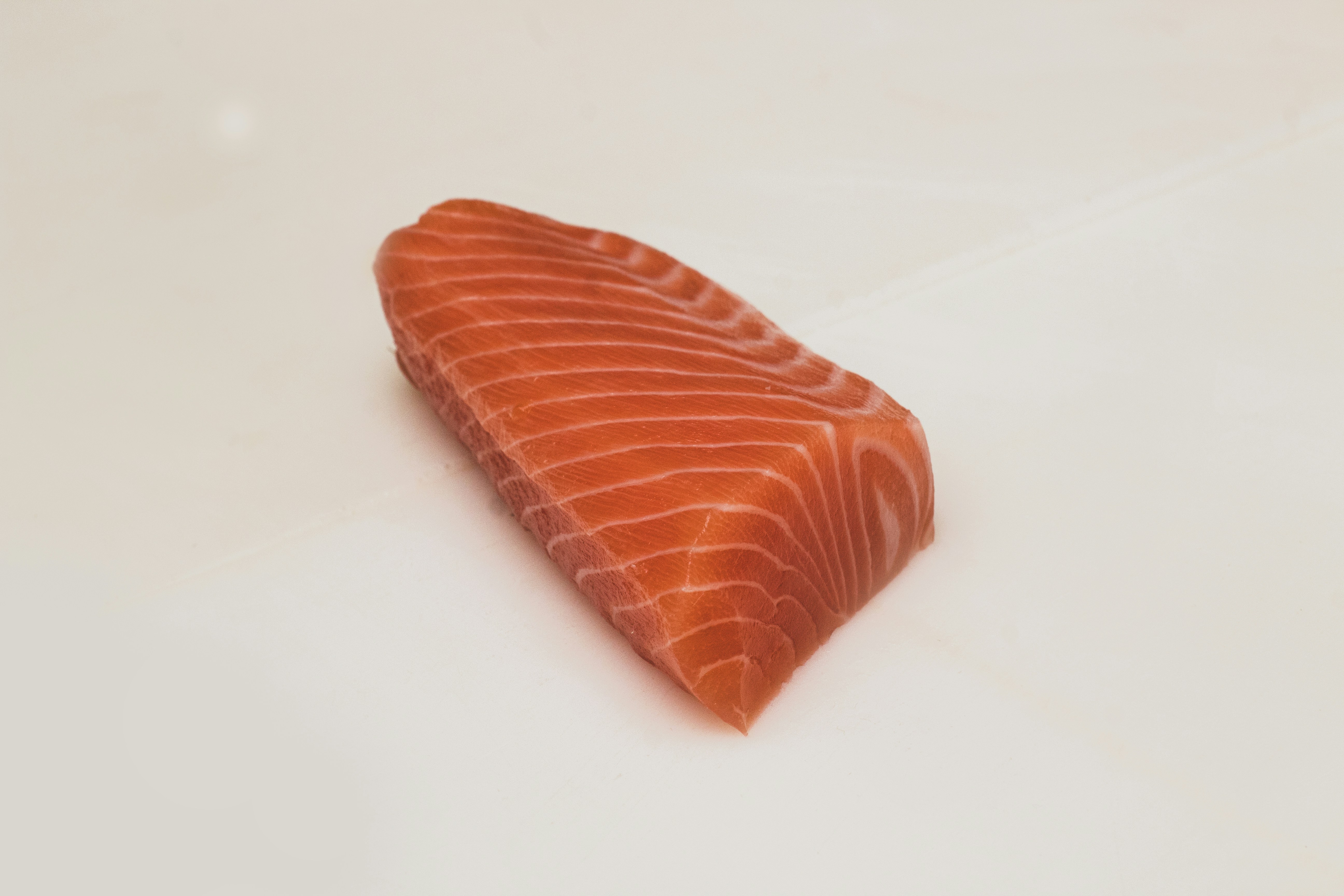
Aquaculture expansion in Atlantic Canada balances wild harvest with farmed production. Salmon farming in Bay of Fundy, mussel cultivation across PEI, and oyster restoration projects create economic opportunities while reducing pressure on wild stocks. Debates continue about environmental impacts, with communities seeking harmony between conservation and livelihoods.